
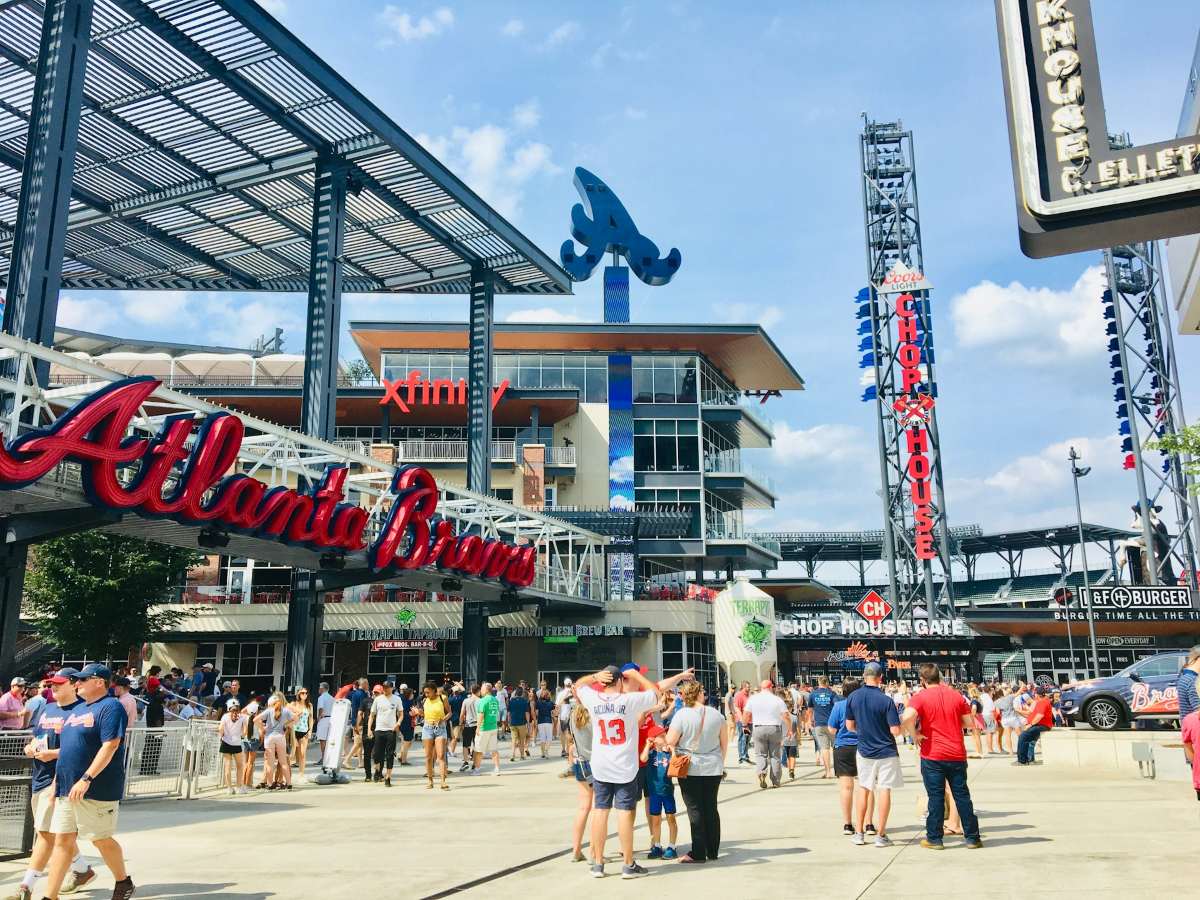
A Georgia drone pilot ignored a no-fly warning, launched anyway, and ended up with a federal criminal conviction. That’s the short version of what happened when Mitchell Parsons Hughes flew a drone over Truist Park during the Major League Baseball All-Star Game in July 2025, despite the stadium being protected by a Temporary Flight Restriction (TFR). For drone pilots across the US, the case is a blunt reminder that flying into restricted airspace isn’t a minor slip-up; it’s a federal offense.
Hughes, 47, of Decatur, Georgia, pleaded guilty on December 5, 2025, to knowingly violating national defense airspace. A US magistrate judge sentenced him to six months of probation and a $500 fine, closing a case that federal authorities say should serve as a warning to anyone who flies recreationally or commercially.
So what exactly went wrong?
For major sporting events like the MLB All-Star Game, the Federal Aviation Administration automatically establishes a TFR around the venue. These restrictions typically cover a one-nautical-mile radius around the stadium and go into effect one hour before the event begins, lasting until one hour after it ends. During that window, drones are strictly prohibited — no exceptions for hobbyists, photographers, or curious pilots.
According to prosecutors, Hughes flew his drone during that restricted period even though his drone’s control interface displayed warnings about the flight restrictions. He later admitted that the aircraft was not registered and that he did not have the required training or credentials to legally operate a drone, including a remote pilot certificate.
New: This DJI Mini drone is $144 cheaper right before Christmas
Federal officials emphasized that this wasn’t just a technical violation; it was a safety issue. “Flying a small drone means you are flying an aircraft, and unsafe behavior will cost you,” said FBI Atlanta Special Agent in Charge Paul Brown. He warned that illegal drone flights can endanger the public and interfere with security operations, especially at events where law enforcement and aerial monitoring are already on high alert.
US Attorney Theodore S. Hertzberg echoed that stance, making it clear that enforcement around major events is only getting stricter. “Anyone attempting to fly a drone in a prohibited manner can expect to be prosecuted,” he said, adding that flight restrictions exist to protect both attendees and surrounding communities. With global events like the FIFA World Cup set to arrive in the region, authorities are signaling zero tolerance for airspace violations.
The Department of Transportation’s Office of Inspector General also weighed in, stressing that illegal drone flights over crowded venues pose serious risks. Large sporting events, officials say, are filled with families, fans, and security personnel, and even a small drone malfunction can have dangerous consequences.
For drone pilots, the takeaway is clear and practical. Before every flight, check for TFRs. Stadiums hosting professional or Division I sports are almost always covered during games. Pay attention to warnings inside your flight app; they exist for a reason. Register your drone, know whether you need Part 107 certification, and understand that “just one quick flight” over a crowd can carry real legal consequences.
More: Insta360 adds big winter upgrades to its 360 cameras

FTC: We use income earning auto affiliate links. More.




Comments